A blockchain confirmation is a way of describing how deeply a transaction has been recorded in a chain of blocks. The idea can sound complicated, but the user experience is easier to understand when it is broken into clear stages.
From transaction to network message
When a transaction is created, it is shared with computers participating in the network. At this stage it may be visible to software, but it has not yet been included in a block. Applications often describe this condition as pending or unconfirmed.
The transaction contains structured data, including inputs, outputs, and a cryptographic signature. Network participants check whether the format and signature are valid before relaying it further.
Inclusion in a block
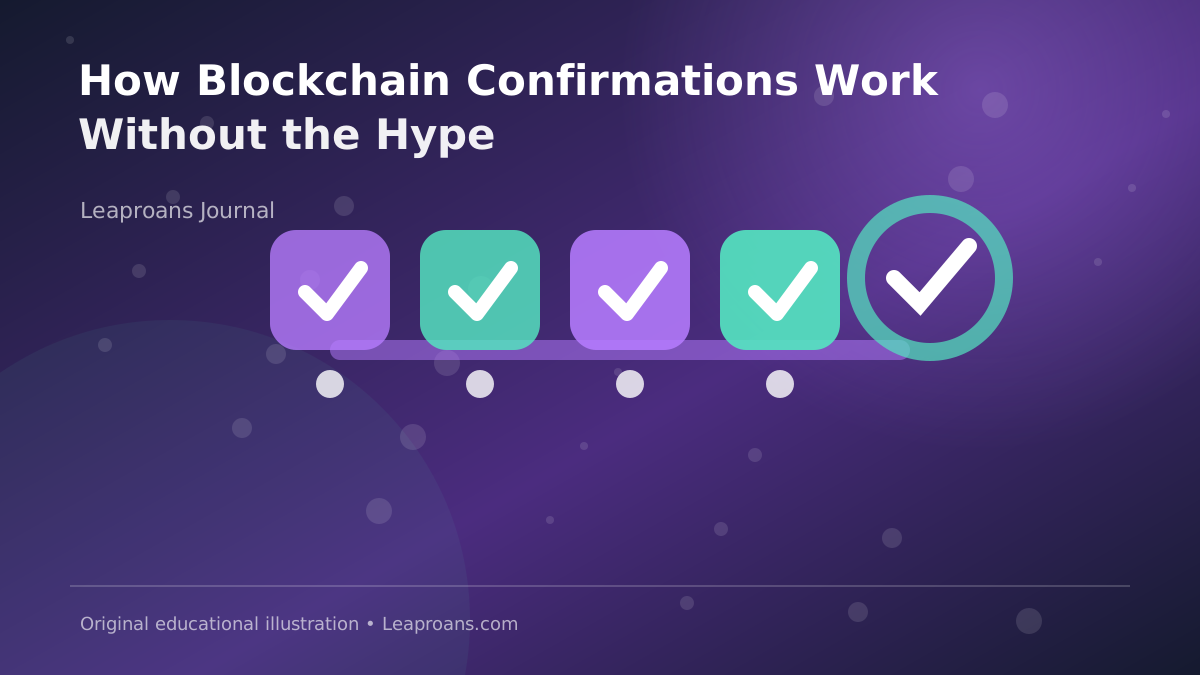
Transactions are grouped into blocks. When a valid block containing the transaction becomes part of the accepted chain, the transaction has its first confirmation. Each later block added after it increases the confirmation count by one.
The confirmation count therefore describes position and depth, not a separate approval button. A transaction with more confirmations is buried under more recorded work than one that was just included.
Why waiting time varies
Block creation does not happen on an exact personal schedule. Network activity, transaction selection, and other technical conditions can affect how long a pending transaction waits before inclusion. Applications should avoid promising an exact completion minute unless they control the entire process.
A better interface shows the current state, the latest known update, and what the user can safely do next.
Clear status design
- Created: the application prepared the transaction.
- Broadcast: the transaction was sent to the network.
- Pending: the transaction is known but not yet included in a block.
- Confirmed: the transaction appears in an accepted block.
- Additional confirmations: later blocks have been added after it.
These labels are more useful than a generic spinner because they tell the user which part of the process is complete.
Confirmations are different from game completion
A Leaproans run can be validated by the game server immediately after the session ends. That game result is separate from any blockchain activity handled by a publisher. The browser game should not imply that collecting an item directly creates a blockchain transaction.
Keeping these systems separate improves accuracy. The game confirms play data; the connected publisher manages its own account, transfer, or settlement process.
Handling interruptions
Applications should be designed for tabs closing, devices sleeping, and networks changing. A status page should be able to reload the latest known state from a trusted source rather than relying only on a message that appeared once in the browser.
Transaction identifiers can help users and support teams locate a record, but they should be displayed carefully and linked only to trusted tools selected by the publisher.
Why applications use confirmation thresholds
Different applications may wait for different numbers of confirmations before treating a transaction as complete for their own workflow. The appropriate threshold depends on the application’s rules, the amount involved, and its risk controls.
The interface should present the actual requirement instead of suggesting that one number is universal for every situation.
Common interface mistakes
One mistake is showing “complete” immediately after a transaction is created. Another is hiding the difference between pending and confirmed. A third is refreshing the page without preserving a reference that allows the user to check status later.
Clear language, durable references, and visible timestamps reduce support requests and prevent users from repeating an action unnecessarily.
Key takeaway
A confirmation means a transaction has been included in a block, and later blocks increase its depth in the chain. Good applications explain each stage, avoid unrealistic timing promises, and keep game results separate from network transaction status.